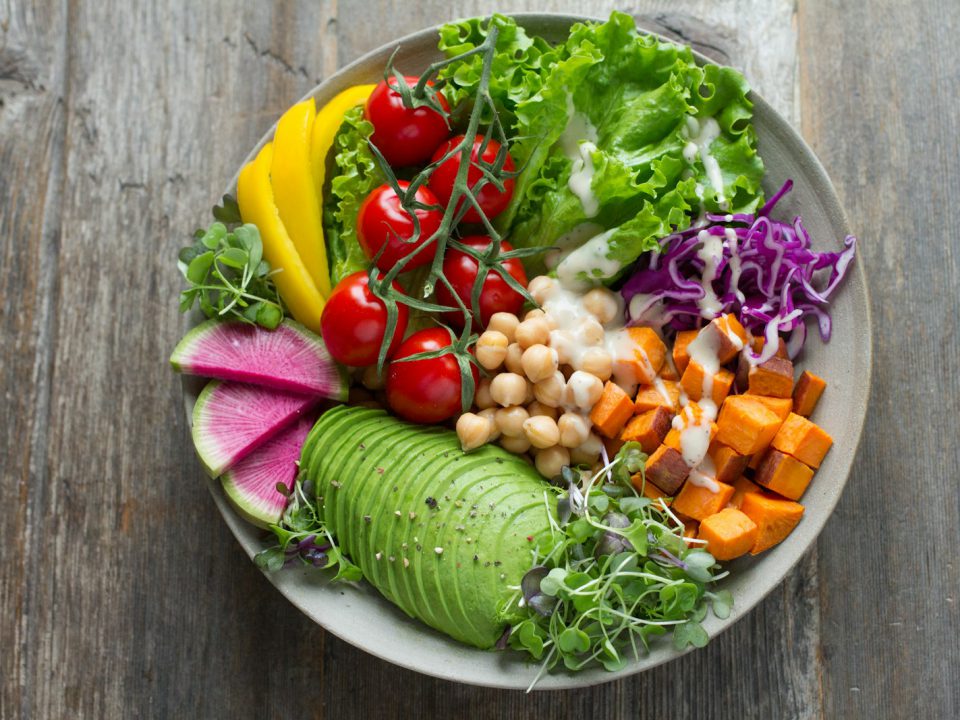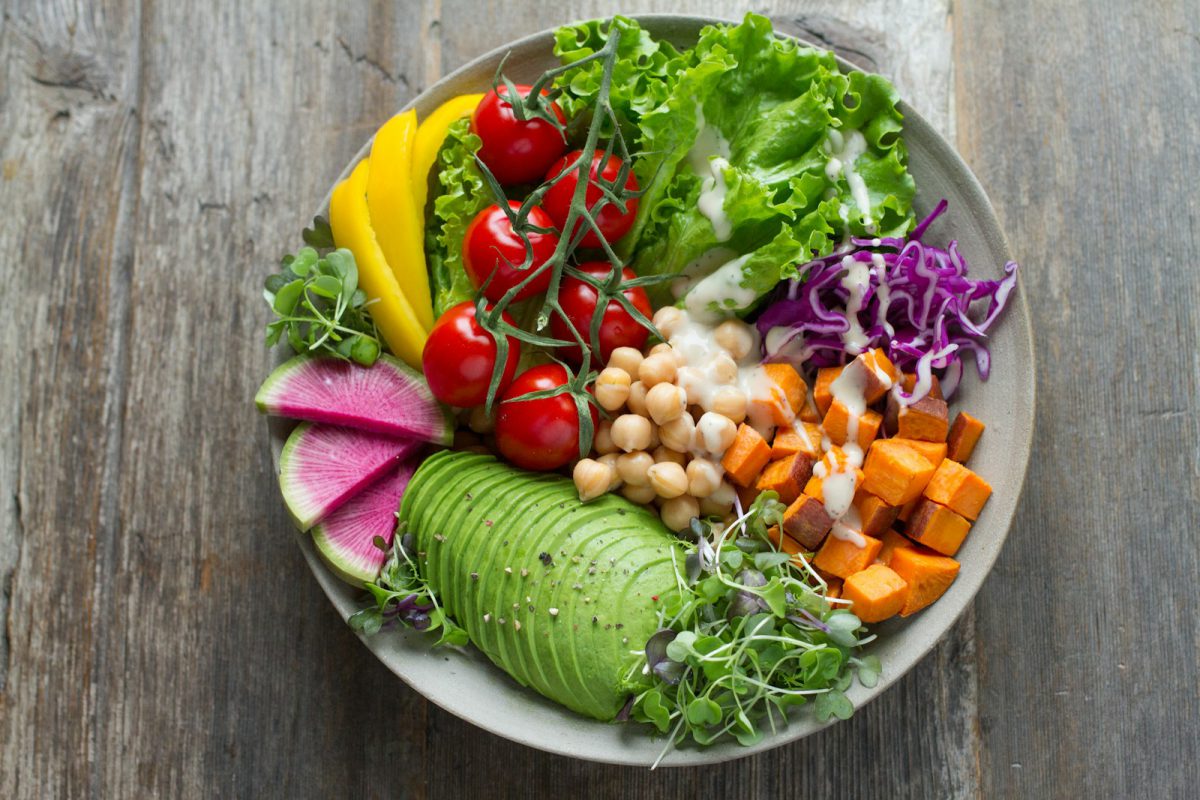
Sports nutrition doesn’t have to be complicated. You don’t need supplements, special powders, or extreme meal timing to support training. What matters most is fueling your body properly before and after exercise using real food.
Why Nutrition Matters for Training
Food provides energy for workouts and nutrients for recovery. Eating well helps you:
- Train with more energy
- Improve focus and performance
- Recover faster
- Reduce fatigue and injury risk
Even light or moderate exercise benefits from proper fueling.
What to Eat Before Training
The goal of a pre-workout meal is to provide energy without discomfort.
Key focus: carbohydrates + a small amount of protein
Timing: 1–3 hours before training
Good pre-workout options include:
- Oatmeal with fruit
- Yogurt with berries
- Rice or toast with eggs
- A banana with nut butter
Avoid heavy, greasy meals right before exercise, as they can slow digestion.
Hydration Before Exercise
Even mild dehydration can affect performance. Drink water consistently throughout the day and have a glass of water 30–60 minutes before training.
What to Eat After Training
Post-workout nutrition helps your body recover and adapt to training.
Key focus: protein + carbohydrates
Protein supports muscle repair, while carbohydrates replenish energy stores.
Good post-workout meals include:
- Chicken or tofu with rice and vegetables
- Eggs with potatoes
- Greek yogurt with fruit
- Smoothies with protein and carbs
You don’t need to eat immediately, but aim to have a balanced meal within 1–2 hours after training.
Do You Need Supplements?
For most beginners, supplements are optional. A solid diet covers the basics. Protein powders can be convenient, but they are not required if you eat enough protein through food.
Focus first on:
- Regular meals
- Enough protein
- Adequate hydration
Keep It Simple and Sustainable
Sports nutrition works best when it fits your lifestyle. Simple meals, regular eating patterns, and consistency matter far more than perfect timing or expensive products.