For many people, nutrition feels complicated. Calories, macros, diet rules, and conflicting advice can make healthy eating overwhelming. The good news is that you don’t need to count every calorie to eat well. Understanding a few core principles is enough to build balanced meals that support health, energy, and long-term consistency.
What a Balanced Meal Really Means
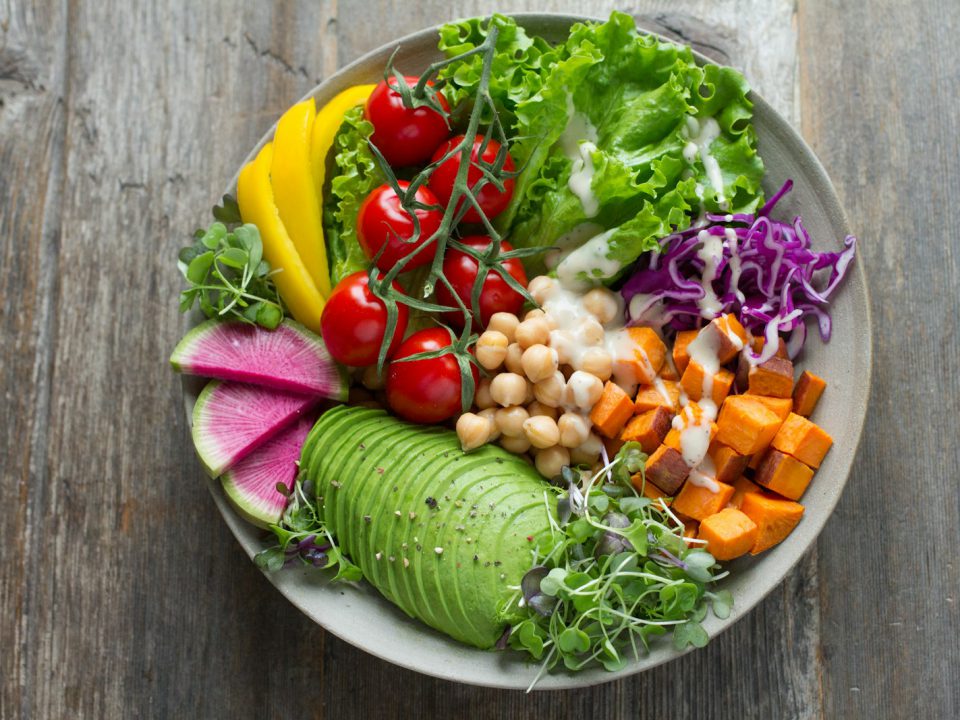
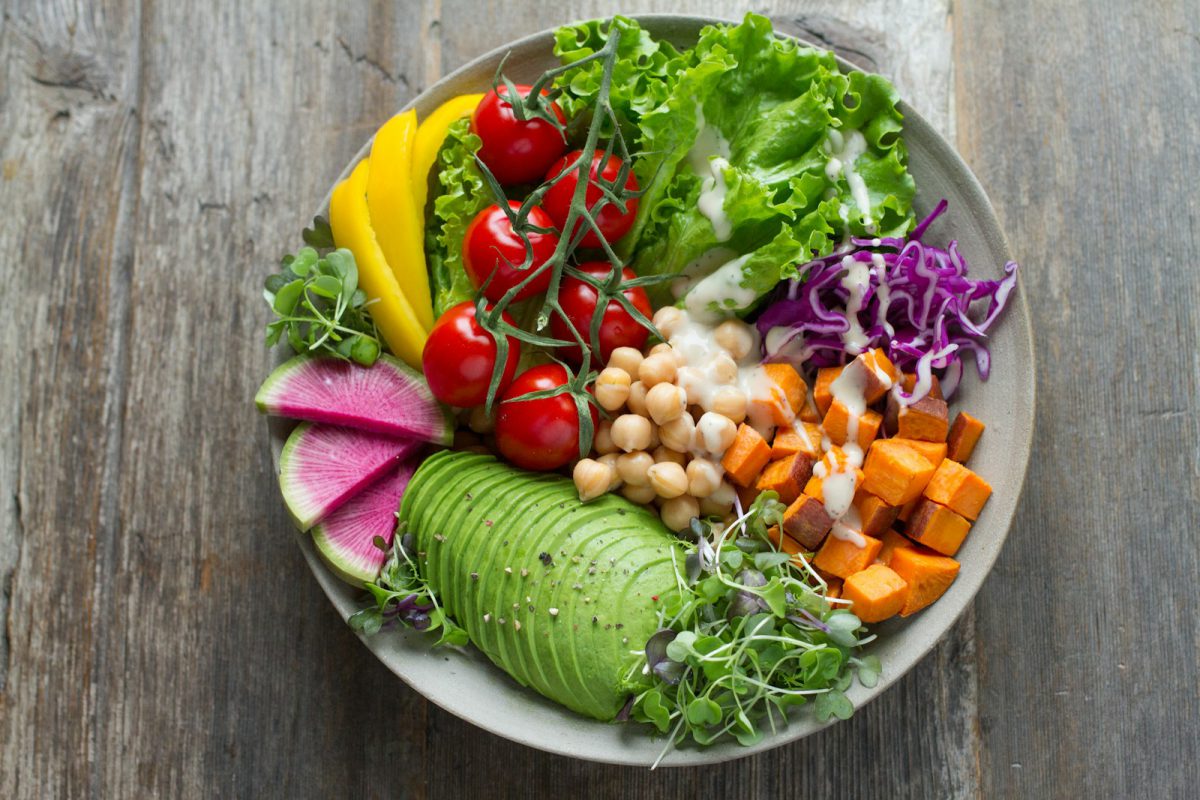
A balanced meal provides your body with the nutrients it needs to function properly. Instead of focusing on numbers, it focuses on food quality and proportions. A well-rounded meal usually includes:
- A source of protein
- A source of carbohydrates
- Healthy fats
- Fiber-rich foods (vegetables, fruits, whole grains)
Each of these plays a specific role in how your body feels and performs.
Protein: The Foundation
Protein supports muscle maintenance, recovery, immune function, and satiety. Including protein in each meal helps you feel full longer and stabilizes energy levels. Good protein sources include eggs, fish, poultry, lean meats, legumes, dairy, tofu, and tempeh.
You don’t need large portions — consistency matters more than quantity.
Carbohydrates: Your Energy Source
Carbohydrates often get a bad reputation, but they are your body’s primary fuel source. Whole-food carbohydrates such as rice, potatoes, oats, fruits, and vegetables provide energy, fiber, and important micronutrients.
Instead of avoiding carbs, focus on choosing less processed options and pairing them with protein and fats.
Healthy Fats: Support & Satisfaction
Fats help with nutrient absorption, hormone production, and long-lasting satiety. Include sources like olive oil, nuts, seeds, avocados, and fatty fish. A small amount goes a long way and improves both taste and satisfaction.
The Simple Plate Method
An easy way to build a balanced meal without tracking:
- ½ of your plate: vegetables or fruits
- ¼ of your plate: protein
- ¼ of your plate: carbohydrates
- Add a small portion of healthy fats
This method works for most people and adapts easily to different cuisines and preferences.
Why Consistency Beats Perfection
Healthy eating isn’t about strict rules or “perfect” meals. It’s about repeating good habits most of the time. Balanced meals support stable energy, better digestion, and long-term health without stress or restriction.